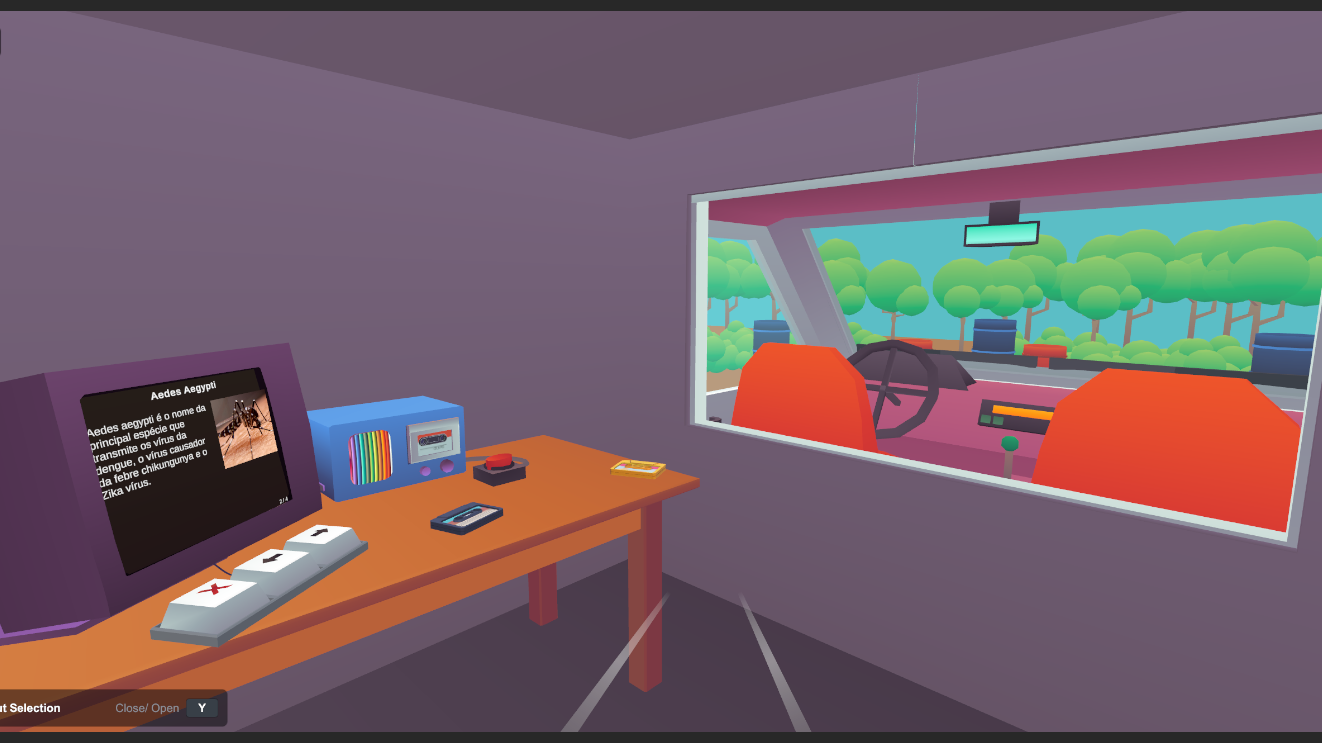
Mosquito Hunters VR
Mosquito Hunters VR — UniSER
The challenge
The End of Pamphlets and the Superficiality of Health Education
Awareness about insect-borne diseases faces a longstanding obstacle: superficiality. Traditional initiatives have been losing effectiveness year after year. Current digital campaigns fail to hold the attention of an increasingly young and distracted audience. Meanwhile, in-person public health events attract fewer and fewer children and adolescents. In a fully digital era, printed pamphlets and materials are no longer viable. Attracting audiences to the topic is the foundation for any prevention effort to work.
What was built
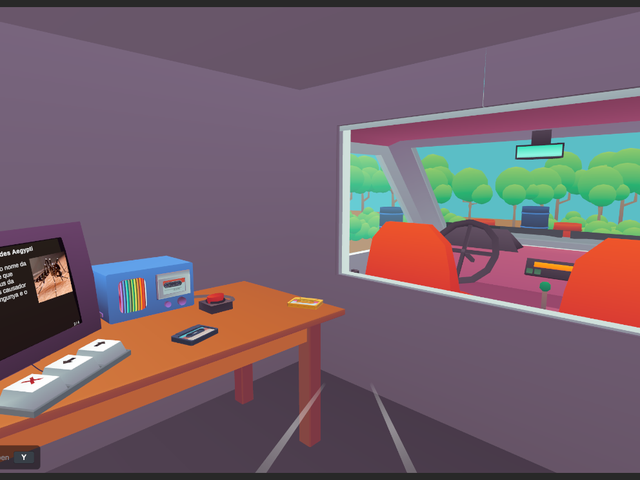
More than a learning tool, Mosquito Hunters is an attraction tool. It emerges with the drive to innovate health education, using technology not merely to inform, but to create an environment of genuine engagement.
By combining the language of video games with public health information, we break through the barrier of disinterest and create an environment where young audiences want to participate and learn.
Why Virtual Reality (VR)? The Post-Pandemic Differentiator
At public health and infectiology events — especially in the post-pandemic landscape — Virtual Reality is the resource with the greatest power to attract audiences.
VR works as a magnet. People approach out of curiosity, experience the immersion and become receptive. It is precisely at this moment of enchantment and engagement that the perfect window opens for health professionals to approach visitors, enabling deeper conversations, guidance and clinical screenings in a far more fluid and welcoming way.
- Guaranteed Audience Attraction: VR generates queues, curiosity and movement, making it easier for health professionals to engage with the public.
- Immersive Learning: Children and adolescents absorb information about vectors and diseases in a playful and memorable way.
- Bridge to Health Professionals: Creates the ideal “hook” for doctors, nurses and health agents to approach the public naturally and educationally.
- Innovation and Modernity: Replaces the obsolescence of printed materials with a cuttingedge tool aligned with the times.
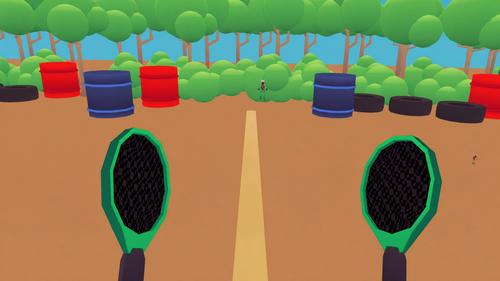
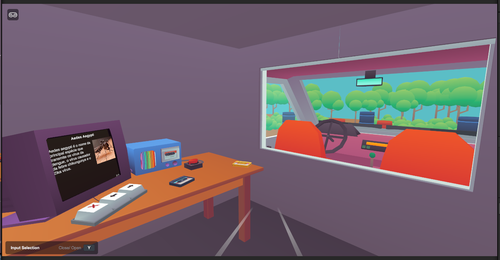
Measured impact
Immersion represents a paradigm shift in how audiences interact with public health information. The gamified approach of Mosquito Hunt generates real and measurable engagement, bringing children and adolescents closer to the prevention debate. Key results include:
60%+ connection
Users who participate in VR campaigns report feeling a stronger emotional connection to the message conveyed.
83%
of people prefer to interact with educational content in a Virtual Reality environment over traditional formats (such as lectures or pamphlets).
240%
message retention and active engagement conversion compared to conventional public health approaches.
There was an expectation at the start of the project that was surpassed by the audience’s response. The immersion brought children and adolescents closer to the prevention debate in a way that printed materials could not. The final product exceeded our engagement goals. — UniSER Team